

The Science Behind Cooking: Ingredient Chemistry
Cooking is not just an art; it's also a science. Understanding the chemistry behind the ingredients you use can elevate your culinary skills to a whole new level. Let's delve into the fascinating world of ingredient chemistry and how it impacts the food you prepare.
1. Maillard Reaction
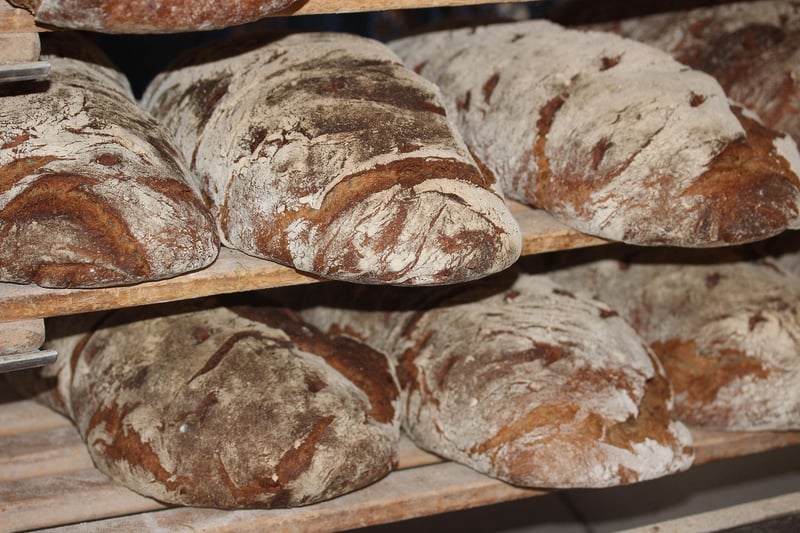
The Maillard reaction is a chemical reaction between amino acids and reducing sugars that gives browned foods their distinctive flavor. This reaction occurs when you sear a steak, bake bread, or roast coffee beans. The result is a complex mixture of flavors and aromas that make your food more appetizing.

2. Emulsions
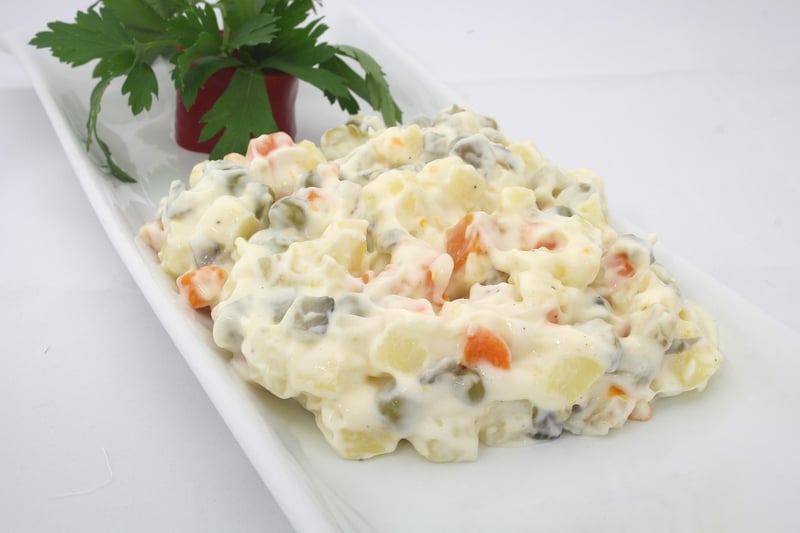
Emulsions are mixtures of two or more liquids that are usually immiscible, like oil and water. Mayonnaise is a classic example of an emulsion where egg yolks act as emulsifiers to stabilize the mixture. Understanding emulsions can help you create creamy sauces and dressings.
3. Leavening Agents
Leavening agents are substances that help dough or batter rise by introducing gas bubbles. Baking powder and yeast are common leavening agents used in baking. Knowing how these agents work can help you achieve the desired texture in your baked goods.
4. Caramelization
Caramelization occurs when sugar is heated, breaking down into compounds that create a rich, brown color and complex flavors. From caramelizing onions to making crème brûlée, understanding this process can add depth and sweetness to your dishes.
5. Gelatinization
Gelatinization is the process in which starch granules absorb water and swell when heated, thickening the liquid and forming a gel. This is crucial in cooking rice, making sauces, and creating desserts like puddings and custards.
By understanding the chemistry behind ingredient reactions, you can become a more versatile and skilled cook. Experimenting with these principles in the kitchen will not only enhance your dishes but also deepen your appreciation for the science of cooking.
Keep exploring, experimenting, and enjoying the journey of culinary chemistry!